

Marie Curie: A Legacy of Discovery and Dedication in Medical Imaging
Celebrating Women’s Day with the Mother of Radiology
On this International Women’s Day, we honour the indelible legacy of Marie Curie, a trailblazer whose pioneering work laid the foundation for modern radiology. As radiologists and medical professionals, we stand on the shoulders of her discoveries, which have transformed medical imaging and cancer treatment.
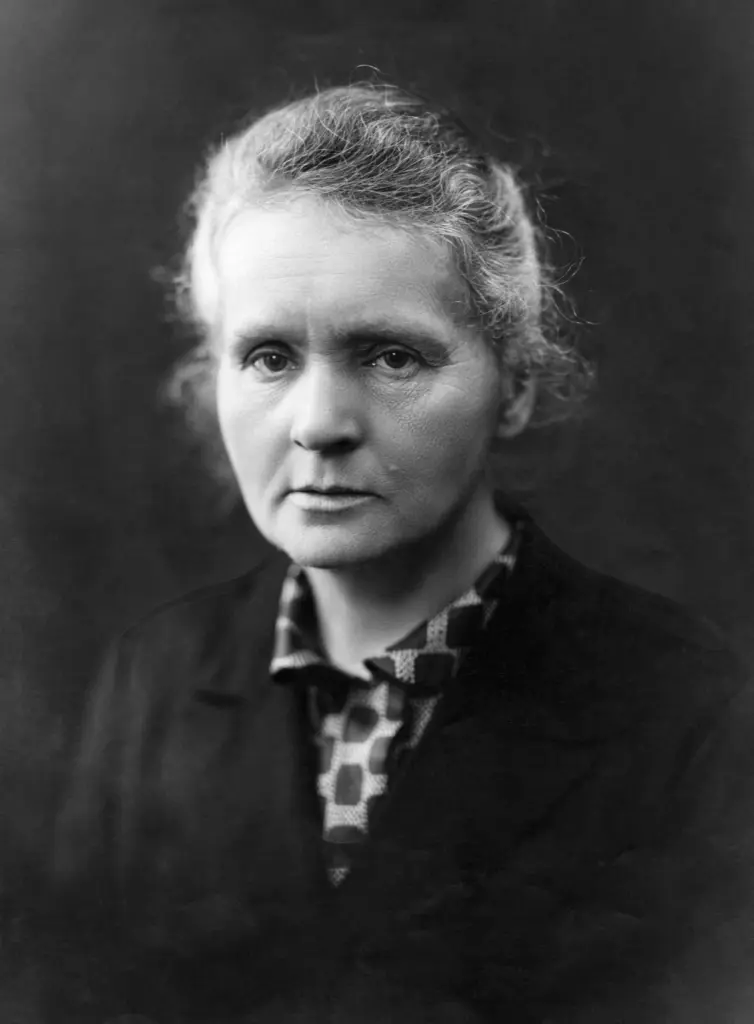
Breaking Barriers in Science and Medicine
Marie Curie (1867–1934) was not only the first woman to win a Nobel Prize, but she remains the only person to have received two in different scientific fields—Physics (1903) and Chemistry (1911). At a time when women were largely excluded from scientific institutions, Curie’s relentless pursuit of knowledge defied societal norms.
Her groundbreaking research on radioactivity (a term she coined) led to the discovery of polonium and radium, fundamentally altering the course of medicine. These elements became the basis for early radiotherapy treatments, offering new hope to patients with cancer—a legacy that continues in modern radiation oncology.
The Birth of Medical Imaging
Curie’s work directly influenced the use of X-rays in medical diagnostics, a field that now underpins radiology, interventional radiology, and nuclear medicine. During World War I, she developed mobile X-ray units, known as Petites Curies, which brought life-saving diagnostic imaging to the battlefield. With minimal resources, she personally trained female volunteers, including her own daughter Irène Joliot-Curie, in radiographic techniques, enabling rapid assessment of injuries that saved countless lives.
A Lasting Impact on Radiology and Oncology
The clinical application of Curie’s discoveries continues to evolve. Radium-based therapies paved the way for modern brachytherapy and targeted radionuclide treatments, critical tools in oncological imaging and intervention. Today, advances in molecular imaging, PET-CT, and theranostics owe their origins to her work in understanding radioactive decay and its biological effects.
Her unwavering dedication to scientific discovery came at great personal cost. Curie suffered from the effects of prolonged radiation exposure, ultimately leading to her death from aplastic anaemia. However, her sacrifice ensured that future generations would benefit from safer imaging protocols, radiation protection standards, and ethical practices in radiology.
Honouring Her Legacy in Modern Radiology
As we celebrate Women’s Day, we recognise that Marie Curie’s legacy is not just historical—it is alive in every radiologist, radiographer, and medical physicist dedicated to improving patient care through imaging and innovation. Her life serves as a powerful reminder of the importance of perseverance, scientific integrity, and the pursuit of knowledge in advancing medicine.
At Radiologica, we celebrate the contributions of women in radiology and medical imaging worldwide, who continue to push the boundaries of discovery in the spirit of Marie Curie. Today, as we step into imaging suites, read complex scans, and refine therapeutic interventions, we do so with gratitude for the woman who made it all possible.
Happy International Women’s Day!